

AI Tracking Apps vs. Traditional Apps: Why Smarter Automation Wins for Real Results
Traditional calorie tracking apps put all the work on you. AI tracking apps do the heavy lifting automatically. Here's why that difference matters for your fitness results — and why automation always beats willpower in the long run.
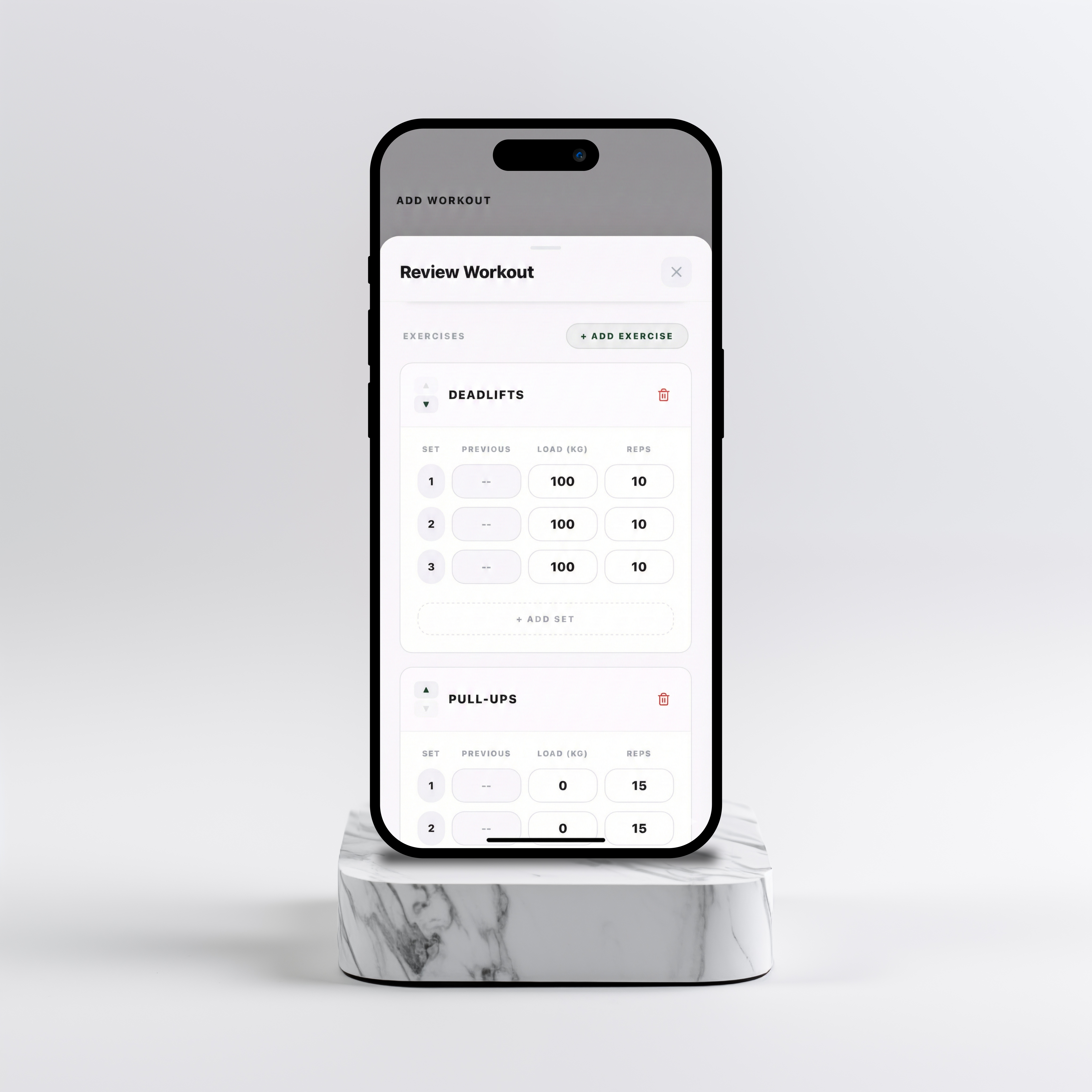
TL;DR: Traditional tracking apps are essentially digital food diaries. You do all the work: searching, logging, weighing, calculating. AI tracking apps automate most of that process, adapt to your habits, and give you real-time feedback without the friction. The result: users of AI tracking apps maintain healthy habits at 3x the rate of manual trackers. If you've tried and failed with a traditional app, it wasn't your fault. The tool just wasn't smart enough.
You've downloaded a calorie tracking app before. Maybe more than once. You logged meals for a few days, felt great about it, then slowly stopped. Life got busy, logging got tedious, and the app became another icon you ignore on your home screen.
That cycle isn't a willpower problem. It's a tool design problem.
Traditional fitness apps were built for tracking. AI fitness apps are built for results. The difference sounds subtle. But in practice, it changes everything about whether you actually follow through.
The global AI in fitness market hit $9.8 billion in 2024, projected to exceed $46 billion by 2034. That growth isn't hype. It's users and developers learning what actually works.
What's the Real Difference Between AI and Traditional Tracking Apps?
Traditional fitness apps are tools. AI fitness apps are systems. A traditional app waits for your input. An AI app anticipates your needs, learns your patterns, and takes action automatically.
Here's what that looks like in practice:
| Feature | Traditional App | AI App | |---|---|---| | Food logging | Manual search and entry | Photo recognition or text input | | Workout planning | Pre-set templates | Adapts based on your progress | | Feedback | Static weekly summaries | Real-time, personalized insights | | Habit support | Notifications you ignore | Context-aware nudges | | Data analysis | You read it yourself | AI identifies what matters |
The core shift: from passive storage to active coaching. Traditional apps store your data. AI apps use it.
Why Traditional Apps Fail Most People
Most people don't stick with traditional tracking apps because the effort required never decreases.
Day one, you're motivated. You search for every food. You log your workout. You check your macros. It feels productive.
By week two, you're searching for "chicken breast" for the 14th time. You still have to manually add every ingredient to your homemade meal. You're spending 20+ minutes a day on data entry. The app hasn't gotten any easier.
Studies show that 70% of users abandon dietary apps within two weeks if the process is too time-consuming. Only 23% of people who start manual calorie tracking are still doing it after 6 months. The friction doesn't go away. It compounds.
Traditional apps are also reactive, not proactive. They show you what you already did. They don't tell you what to do next, adjust to your changing schedule, or flag that you're on track for a rough week before it happens.
How AI Apps Remove the Friction That Kills Consistency
The biggest advantage of AI tracking isn't any single feature. It's the cumulative effect of removing small obstacles across every step of the process.
Instead of searching a database, you take a photo. Instead of manually calculating macros, the app does it. Instead of reading through weekly stats, you get one clear takeaway. Instead of guessing whether you're on track, the AI tells you directly.
These changes feel minor in isolation. Combined, they cut the cognitive load of tracking by more than half.
A 2024 study found that AI-assisted tracking users maintained dietary changes for 6-12 months at a 64% rate, compared to just 23% for manual trackers. That's not a marginal improvement. It's a fundamentally different outcome.
Shapemate's approach to smart logging is built on this exact principle: if logging takes less effort than not logging, people actually do it consistently. Log via photo or text right inside the app. The app handles the rest.
The Personalization Gap: Generic Plans vs. Adaptive Coaching
Traditional apps give everyone the same plan. Set your calories. Hit your macros. Done. It doesn't matter if you're a shift worker with irregular meal timing, an athlete with fluctuating energy needs, or someone who travels constantly.
AI apps adapt. They learn your patterns over time and adjust recommendations based on what's actually happening in your life.
Research from ScienceDirect's 2025 analysis of AI fitness apps found that personalized AI recommendations significantly outperformed generic plans for both fat loss and muscle gain. The more the system knows about you, the better the guidance it provides.
This is especially important for workout planning. Traditional apps give you a 12-week program. An AI app adjusts your plan when you're tired, injured, or ahead of schedule.
Use Shapemate's nutrition calculator as a starting point. Then let the AI layer in personalization that generic calculators can't offer.
Habit Building: Where AI Tracking Apps Truly Shine
Building fitness habits is a behavior design problem. Traditional apps treat it as a data problem.
AI apps use behavioral nudges, timely reminders, and pattern recognition to actively support habit formation. A 2025 study showed that AI-based behavioral nudges increased daily step counts by 6.17% and moderate-to-vigorous physical activity by 7.61% in participants over time.
That might sound small, but compounded over months, those increments represent real fitness progress. More importantly, the habits form naturally rather than through force of will.
Traditional apps send a notification: "You haven't logged lunch yet." An AI app notices you skipped your usual post-workout meal, knows you've been under your protein target for three days, and suggests a quick fix before you even realize there's a pattern.
Users who track workouts with an app are 50% more likely to hit their fitness goals. But only if they keep using the app. AI makes that part dramatically easier.
Real-Time Feedback vs. After-the-Fact Reporting
Traditional apps tell you what happened. AI apps help you respond to what's happening right now.
With a traditional app, you check your weekly report on Sunday and realize you were 300 calories over your target every day. Useful information, delivered a week too late.
With an AI app, you get a flag mid-week: "You're tracking 15% over your calorie target this week. Want some lower-calorie dinner ideas for tonight?" You can course-correct before the week's already gone.
This real-time feedback loop builds intuition over time. You start making better food choices automatically because the app has trained your pattern recognition.
Privacy and Data: The Honest Tradeoff
AI apps require more data to work well. More data means more privacy considerations.
One survey noted that 80% of fitness apps share user data with third parties, including advertisers. That's a legitimate concern. Before signing up for any fitness app, check the privacy policy and understand what data is collected and how it's used.
Shapemate collects your health and nutrition data to power your personal AI coaching. It's not shared with advertisers. Your data is yours.
Conclusion
Traditional tracking apps aren't bad. They're just not enough. They put all the cognitive work on you and offer nothing in return except storage. The moment life gets busy, they're the first thing to go.
AI tracking apps reduce friction, adapt to your habits, and actively support you in building consistency. The data backs it up: nearly three times the long-term adherence, better outcomes, and habits that actually stick.
If you want results, you don't need more discipline. You need a smarter tool.
Download Shapemate and start tracking the way that actually works. No manual entry required. Just consistent progress, automatically.
Frequently Asked Questions
Are AI tracking apps more accurate than traditional calorie counting apps? In practice, yes. Manual logging typically underestimates intake by 30% or more due to forgotten snacks and portion size errors. AI apps reduce these gaps with photo recognition and automatic calculations, delivering consistent accuracy without relying on perfect user behavior.
Do AI fitness apps work for beginners? They work especially well for beginners. Traditional apps assume you already know how to count macros and structure a training week. AI apps guide you through automatically, adjusting as you learn. The lower barrier to entry is one of the main reasons AI tracking leads to significantly higher adherence rates.
How is Shapemate different from apps like MyFitnessPal? MyFitnessPal is a traditional database-driven app. You search, you log, you calculate. Shapemate is an AI coaching system. It recognizes your meals from photos or text and adapts your plan based on your progress — all in one mobile app for maximum simplicity. Start at shapemate.app.
Can AI apps replace a personal trainer or nutritionist? Not entirely, but they fill in the gaps that most people can't afford to cover with human professionals. A personal trainer sees you a few times a week. An AI app coaches you 24/7. For most people, daily consistency matters more than perfect guidance three times a week.
Is my health data safe with AI fitness apps? It depends on the app. Research shows 80% of fitness apps share data with third parties. Always review the privacy policy before signing up. Shapemate collects your data solely to personalize your coaching. It's not shared with advertisers.